
HPV and HPV vaccine:
EVERYTHING YOU NEED TO KNOW
CREDITS
RESEARCHED
AND WRITTEN BY
Robin Craig
EDITED BY
Dr Benjamin Weil
Dr Will Nutland
ILLUSTRATIONS BY
Lynne Zakhour
DESIGN BY
Richard Kahwagi
PRODUCED BY
The Love Tank CIC
SUPPORTED BY
North East London Cancer Alliance

Human papillomavirus (HPV) is a common infection that most people will get at some point. It often has no symptoms at all, but, in some cases, can cause mild conditions, like genital warts, and more severe conditions, including cervical, anal, penile, throat and mouth cancer.
The best defence against HPV is vaccination, and most teenagers in the UK now receive a HPV vaccine at school. Some people can get the vaccine for free on the NHS, including cis GBMSM (gay, bisexual and other men who have sex with men) under the age of 45, sex workers, people living with HIV, and some trans people.
This guide outlines everything you need to know about HPV: what HPV is, ways to reduce infection, what the HPV vaccine is, and how to access it.
-
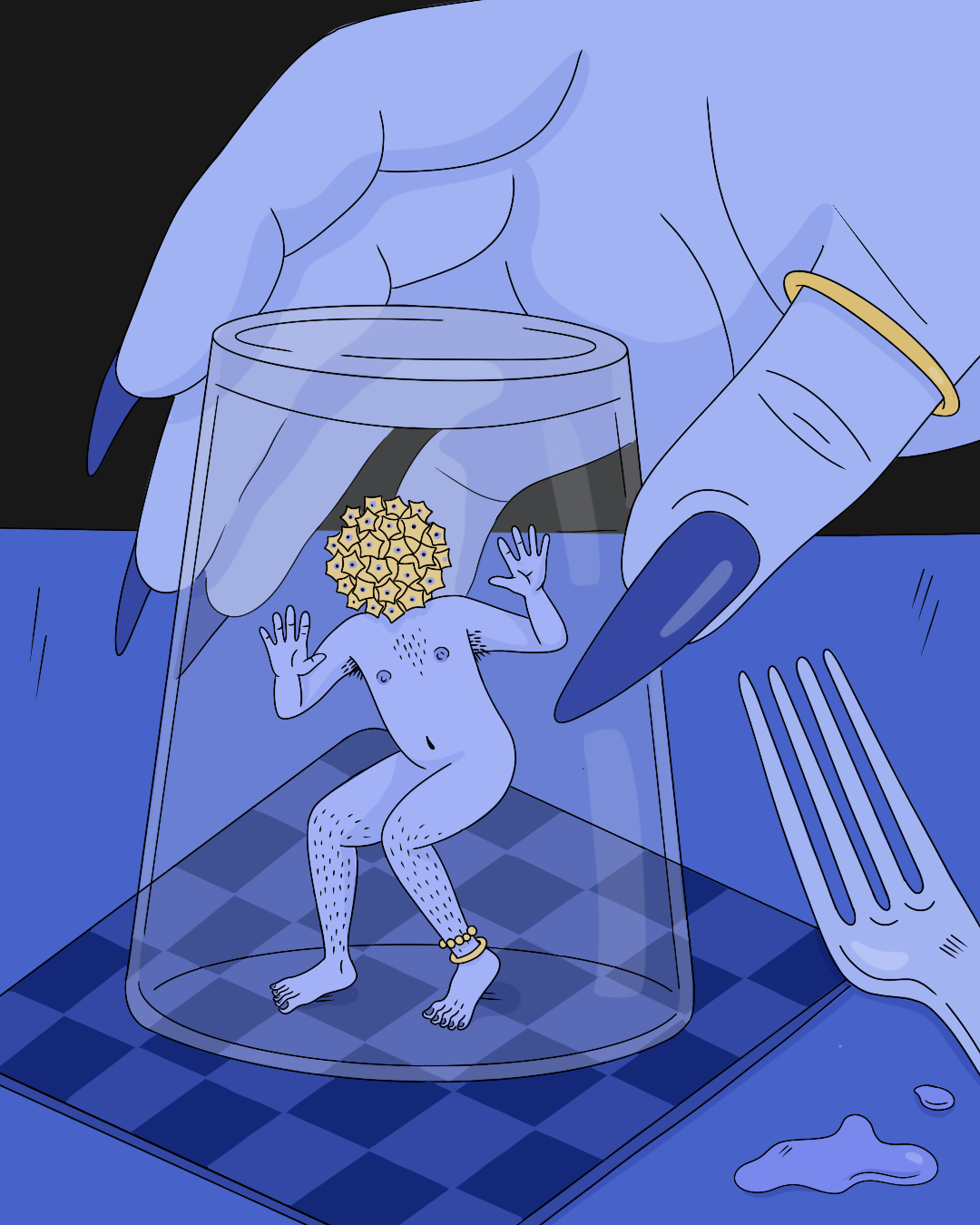
HPV - human papillomavirus – is a group of viruses that affect the skin.
HPV can be passed on through sex.
-
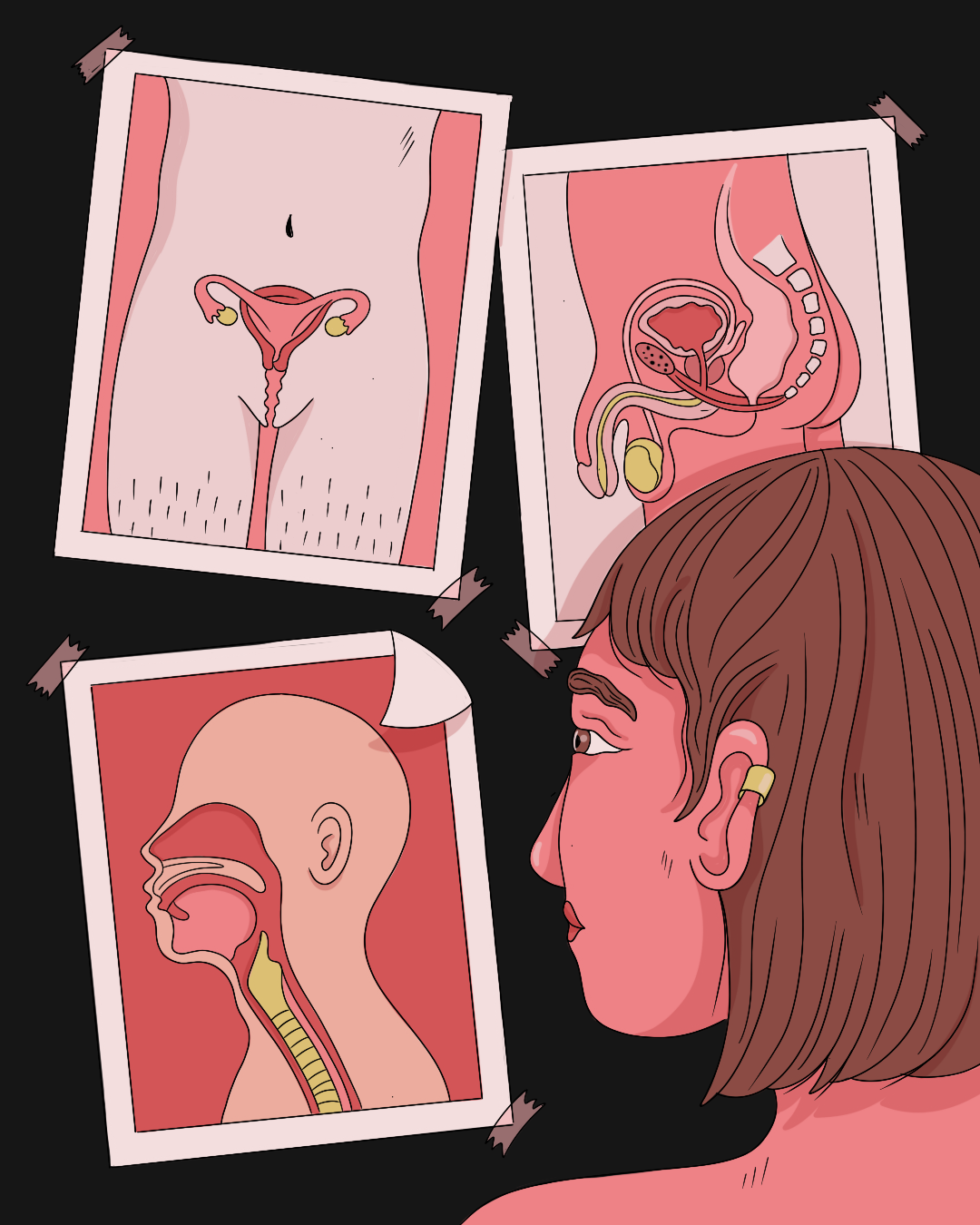
HPV can cause conditions like genital warts or lead to certain cancers
including throat, neck, cervical, anal and penis cancer.
-

There is a very effective vaccine that can prevent HPV.
It is available to lots of adults for free at NHS sexual health clinics.
-
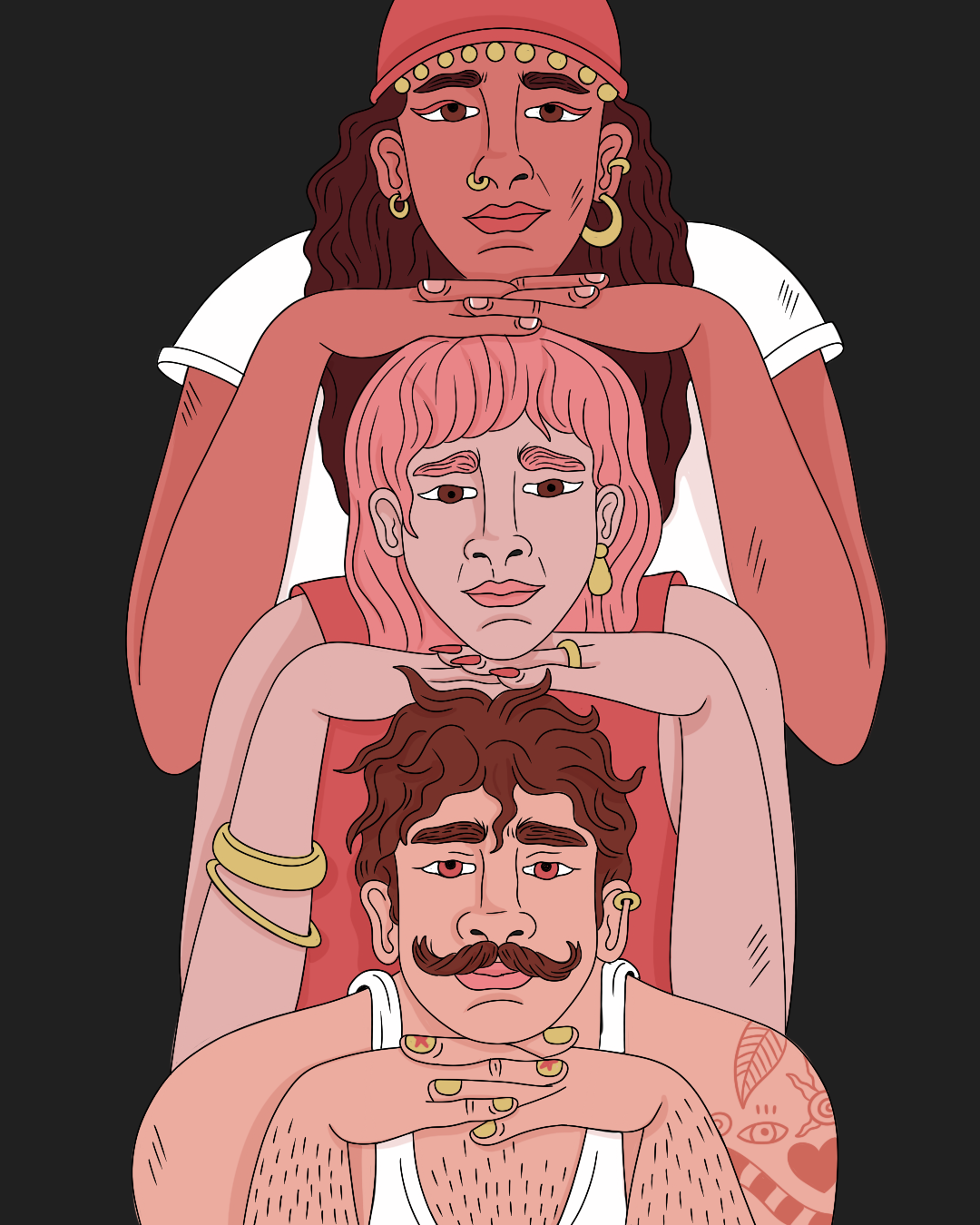
People who are eligible for free HPV vaccines in the UK include:
• gay, bisexual and other men who have sex with men (including trans men)
• trans women
• sex workers
• anyone living with HIV
-
You can get the vaccine for free on the NHS regardless of your migration status
for instance, if you are in the UK on a student visa or if you are not a British citizen.
HPV basics
1. What is HPV?
HPV stands for human papillomavirus, which is the name of a very common group of viruses that affect the skin.
There are more than 100 different types, and most people who have it do not show any symptoms. About 90% of HPV infections will be cleared from the body by our immune system within 2 years. In some people, however, it can cause conditions like genital and oral warts or leads to certain kinds of cancer.
Strains of HPV that cause oral, anal, and/or genital warts are known as “low risk HPV”, while strains that can lead to different kinds of precancers (abnormal cells that could lead to cancer) are known as “high risk HPV”. The HPV vaccine prevents a number of different kinds of “high risk” HPV (see: How do I protect myself from getting HPV?).
Source: NHS HPV page, NIH HPV HIV Info, Public Health Scotland | Stat source: PHE HPV “Green Book”, p. 1
2. What conditions can HPV cause?
Most people with HPV won’t develop any conditions or show any symptoms at all. But in some people, certain types of HPV can cause warts or abnormal cell changes that can lead to cancer.
All warts are caused by different types of HPV infections, including verrucas (plantar warts), genital warts, and mouth and throat warts (oral warts). The type of HPV that can lead to warts is different to the type of HPV that causes cancer.
Cancers linked to some high-risk types of HPV include cervical cancer, anal cancer, penis cancer, vulva cancer, vaginal/frontal cancer, and some kinds of head and neck cancer. Most people infected by high-risk HPV do not develop cancer and their immune system gets rid of the virus. But in some people the virus stays in the body and causes cell damage that leads to cancer.
This is why it’s important that we try and prevent HPV infections. Even though most HPV infections are relatively harmless and may show no symptoms at all, vaccination helps protect all of us from the possibility of infections by strains that can cause serious harm like cancer.
Sources: NHS HPV Page, Healthline, Macmillan Cancer Support, Cleveland Clinic
3. How common is HPV?
HPV is an extremely common infection and most people will have strains of it during their lifetime.
As it often has no symptoms and causes no problems, most people don’t know that they’ve had it.
Source: Macmillan Cancer Support
4. Is there a test for HPV?
There is no routine test for most kinds of HPV. You can’t get tested for HPV, for instance, when you get tested for other STIs at a sexual health clinic.
However, sometimes doctors will perform tests for HPV on samples of cells taken during medical appointments. For example, HPV tests are done on cells taken from the cervix during routine cervical screenings, during the diagnosis of some kinds of head and neck cancer, and sometimes during anal cancer screenings.
During cervical screening, a small sample of cells is taken from the cervix. These are tested for HPV in order to find any abnormal cell changes that might develop into cervical cancer. You can read more about this here.
Starting in 2026, the NHS will offer home testing kits for HPV for people with cervixes who might feel less comfortable attending a clinic or more comfortable self-sampling. You may be offered one of these as an alternative to an in-person appointment when you are invited for a cervical screening.
If you have a vagina/front hole, you can also buy at-home test kits for “high risk” strains of HPV from certain high street pharmacies like Superdrug or certain online providers. The price of an at-home test kit starts at around £55.
Sources: NHS HPV Page, Macmillan Cancer Support
5. Is there treatment for HPV infection?
No - most HPV infections don’t cause any issues and are cleared by the body within 2 years.
Treatment is available for some of the problems HPV can cause, like genital warts or changes to cells in the cervix, but this does not cure the HPV itself (the treatment will remove the warts and not the virus).
Because there is not a treatment option that can clear HPV from the body, it’s important that we try and prevent “high risk” HPV infections with the HPV vaccine.
Source: NHS HPV Page
6. What do I do if I have genital warts? Is there treatment?
Genital warts are one of the conditions caused by “low risk” strains of HPV. They are small, rough lumps on the skin that can appear around the genitals, anus, and on the skin between the genitals and anus (known as the perineum).
They can appear as single warts or in a group, feel hard or soft, and be white, red, skin-coloured, or darker than the skin. They’re usually painless, but can sometimes be itchy or bleed.
In most cases, genital warts don’t cause harm. The most common issue caused by genital warts for most people is that they might find them unpleasant to look at, which could make them feel self-conscious. However, genital warts can potentially increase the risk of someone getting HIV or certain kinds of cancer - so it is important to get them treated.
If you notice any of the symptoms of genital warts, you can get checked out at a sexual health clinic or by your GP. Sometimes genital warts disappear on their own, but treatments include cream, liquid, or ointments you apply yourself, freezing the warts (cryotherapy), or very occasionally, surgery to remove warts with heat or a laser.
The doctor or nurse will discuss the best options with you. Treatment is prescribed - don’t use regular wart treatments from pharmacies as they aren’t made for genital warts.
It’s important to remember that genital warts are a common and normal condition - they are one of the most commonly diagnosed viral sexually transmitted infections (STIs) in the UK. There are many treatments available and it’s always best to get anything unusual checked out.
Source: NHS Genital Warts | Source on commonality: PHE HPV “Green Book”, p. 2, paragraph 3
7. Can HPV cause cervical cancer? What other kinds of cancer can HPV cause?
Cervical cancer is the main type of cancer linked to HPV, but HPV can cause other types of cancer - including anal, penis, vulva, vaginal, and head and neck cancer.
Nearly all cases of cervical cancer are caused by particular types of HPV (usually the strains known as HPV 16 and HPV 18). The link between HPV and other forms of cancer varies - but is associated with between 80-90% of certain kinds of anal cancers and 50% of all penis cancers.
Most people’s immune systems clear the HPV infection before it causes cell damage that can lead to cancer, but sometimes HPV remains in the body and can cause cancer years or decades after the initial infection.
Sources: NHS HPV Page, ENT UK, Cancer Research UK, HPV New Zealand | Stats: PHE HPV Green Book, p. 2, first paragraph
8. Can trans people get cervical cancer?
Anyone with a cervix can get cervical cancer. This includes trans men and non-binary people who were assigned female at birth that have not had a total hysterectomy (i.e., the removal of the womb and cervix).
If you have had lower surgery and aren’t sure if you still have a cervix, ask the surgeon who did your surgery.
You should tell your GP if you regularly have a bloated or swollen stomach or if you have unexpected or heavy vaginal bleeding. More information on cervical screenings for trans people is available in the next section.
Trans women who have had lower surgery to create a vagina (known as vaginoplasty) sometimes refer to the tissue at the deepest part of their vagina as a “neo-cervix”, but because this tissue is made of a different type of cells than a cisgender woman’s cervix, it is at much lower risk of cancer and does not require cervical screening.
Sources: CRUK trans cancer screening, Macmillan Cancer Support, Eve Appeal
9. Do trans people need to get cervical screening?
Everyone with a cervix between the ages of 25 to 64 should have regular cervical screening, except for trans women with neo-cervixes.
If you are a trans man and/or non-binary person registered as female with your GP, you will receive automatic invites for cervical screenings unless you have opted out. If you are registered as male, you won’t receive reminders and will need to book screenings yourself. Some GP clinics have “opt-in forms” that trans men and non-binary people who are registered as male can use to opt-in to cervical screening reminders.
You can organise your own cervical screenings with your GP, at sexual health clinics, or trans clinics - a list of trans clinics providing cervical screening is available via OUTpatients here.
There are things you can do to make these screenings more comfortable for yourself. For instance, you can bring someone with you to screenings, request a small speculum, and insert the speculum yourself. Talk to your GP or clinician about potential adjustments if you think they will help.
In 2026, the NHS will begin to offer home testing kits for HPV for people with cervixes who might feel less comfortable attending a clinic or more comfortable self-sampling. You may be offered one of these as an alternative to an in-person appointment when you are invited for a cervical screening.
You can also buy at-home test kits for “high risk” strains of HPV for people with vaginas/front holes from certain high street pharmacies like Superdrug or certain online providers. The price of an at-home test kit starts at around £55.
Sources: NHS Cervical Screening, UCSF trans men cervical cancer screening, NHS cervical screening: information for trans and non-binary people, CRUK trans cancer screening
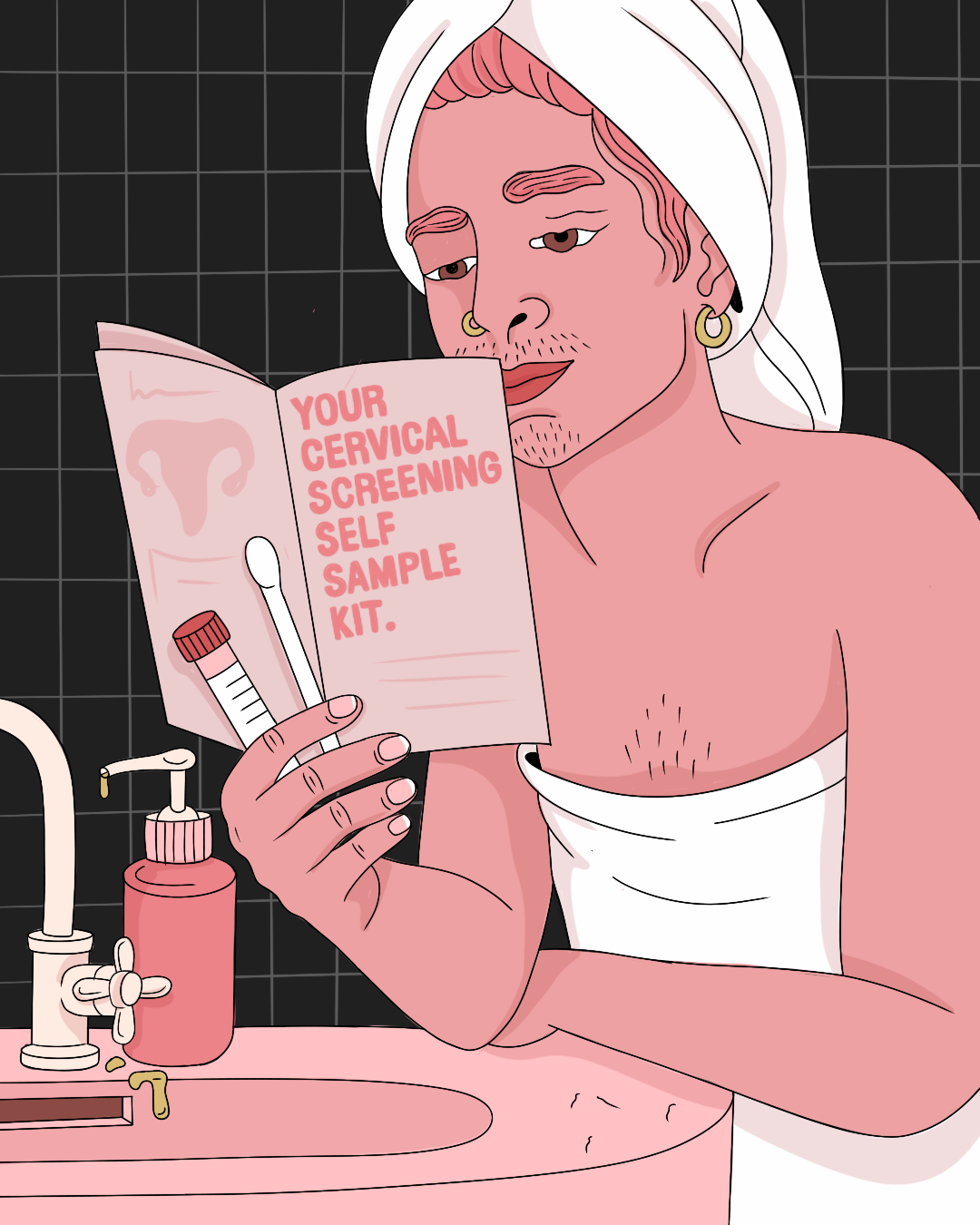
10. How often should I get a cervical screening?
The NHS recommends that everyone between the ages of 25 to 64 with a cervix should get a cervical screening every 5 years.
Source: NHS Cervical Screening
HPV prevention
11. How is HPV transmitted?
You can get sexually transmitted HPV from skin-to-skin contact between genitals, from having vaginal, anal, or oral sex, and from sharing sex toys. Most people will have this kind of HPV at some point in their life, and most HPV infections don’t have any signs or symptoms and will pass without treatment.
When HPV does cause genital warts, oral warts or changes in cells, the time between exposure to HPV and the presence of symptoms varies, so it’s not possible to tell where or when you contracted HPV. It can remain dormant for years or decades.
HPV can also be transmitted non-sexually - usually through skin-to-skin contact with an area affected by warts. For instance, HPV can be passed from mother to child during childbirth as the baby moves out of vagina/front hole.
Sources: HPV NHS Gloucestershire, Mayo Clinic
12. Are some people more likely to get HPV than others?
While most people will have HPV at some point, there are some factors that make it more likely to have certain HPV strains or recurring HPV infections.
As genital, anal, and oral strains of HPV are primarily transmitted through sexual contact, the more sexual partners you have, the greater your chance of getting these types of HPV. Using barrier methods like condoms can reduce your chances of infection - more on this below.
People with weakened immune systems are also more likely to get HPV. This includes people living with HIV, who have fewer CD4 cells - a type of white blood cell that helps the body fight infection - and can therefore be more susceptible to contracting all types of HPV. Research on women living with HIV has found that regularly taking antiretrovirals (ART) can help protect against high-risk types of HPV, but it’s still important to get the HPV vaccine if you have HIV.
People who are taking immunosuppressants, such as after organ transplants, also have weakened immune systems and are also more likely to get HPV.
Sources: Mayo Clinic, NIH HIV fact sheet
13. If I have genital warts/test positive after a cervical screen, should I be worried about passing HPV on?
HPV is a normal part of sex, so it’s likely that you will come into contact with a strain of HPV at some point if you are sexually active - even if you’re monogamous or have had sex with only one person. This is one of the reasons it’s important to get vaccinated if you’re eligible.
Genital warts are a symptom of HPV infection. The virus can be passed on during sex if there is skin-to-skin contact with the affected area. If you have genital warts, it is usually advised that you seek treatment for them and take a break from sex until the treatment has worked and the warts have disappeared (see: “What do I do if I have genital warts? Is there treatment?”). If you do have sex, using condoms and dental dams can help protect your partner but only if it covers the affected skin.
If you test positive for HPV after a cervical screening, ask your clinician if you need to wait before having sex. If you need more tests, you might need to take a break from certain kinds of sex for a while. If you’re in a monogamous relationship, your partner probably already has the same strain of HPV as you, so if you don’t need further tests, you can keep having sex. If you have sex with multiple people, there’s not much you can do to stop HPV from being passed on - it’s important to remember, though, that HPV is so common that many people have already had it. Condoms and dental dams and encouraging eligible people to get vaccinated can help reduce the chances of HPV being passed on.
Sources: BASHH genital wart info sheet, SH:24
14. How do I protect myself from getting HPV?
There is no failproof way to protect yourself during sex from getting HPV, but using barrier methods like condoms and dental dams can lower your chances of getting HPV, as well as washing sex toys between partners.
The HPV vaccine is currently the most effective way to protect yourself from the strains of HPV that can cause the majority of cervical, anus, vulva, and vaginal cancers and genital warts - more information on the vaccine is available in the next section.
Sources: HPV Hub Dental Dams, CDC
15. Does HPV affect pregnancy or breast/chestfeeding?
In most cases, HPV will have no impact on pregnancy unless it has caused cervical cancer or large genital warts that obstruct the vaginal canal. There is limited evidence that HPV can increase chances of pregnancy complications like the premature rupture of membranes (ie., water breaking early), but more research is needed.
In the cases where HPV has caused cervical cancer during pregnancy, treatment depends on what stage the cancer is and what type it is. It’s important to keep going to regular cervical screenings during pregnancy. More information on treatment options for cervical cancer during pregnancy is available via Cancer Research UK here.
In the case of genital warts, they may grow or become more easily irritated during pregnancy. Your doctor will monitor them as the pregnancy progresses and advise on treatment options - topical treatments are generally avoided as they may be unsafe during pregnancy. More information is available via the National Institute for Health and Care Excellence here.
The risk of a birthing parent passing on HPV to their baby is low, but if it does happen. The baby may not have any symptoms if their immune system fights the virus off. If the baby does develop symptoms, these can be in the form of genital warts or, rarely, a non-cancerous growth on the baby’s voice box.
Research has found that passing HPV to a baby via breast/chestfeeding is very unlikely, and the benefits of breast/chestfeeding outweigh any potential risks of transmission.
Sources: Mayo Clinic, Flo Health, CDC, Healthline HPV and breastfeeding page
HPV vaccine
17. How effective is the HPV vaccine?
18. How safe is the HPV vaccine?
19. Will the HPV vaccine impact my hormone replacement therapy (HRT)?
20. Is the HPV vaccine a “sex vaccine”?
22. Who is eligible for a free HPV vaccine on the NHS?
23. How do I get the HPV vaccine on the NHS?
24. I’m not eligible for the vaccine on the NHS, how else can I access it?
16. What is the HPV vaccine?
The current HPV vaccine recommended by the Joint Committee on Vaccination and Immunisation (JCVI) in the UK is called Gardasil 9. It has been used in the national vaccine programme since 2022, and protects against 9 types of HPV. These types of HPV are the most likely to lead to genital warts and certain kinds of cancer, including anal, cervical, vaginal, and vulval cancers.
Many people received a HPV vaccine at school. The HPV vaccine called Cervarix was used in the national vaccination programme between 2008-2012, and was then replaced with Gardasil between 2021-2022. Gardasil 9 has been used since 2022.
Cervarix protects people against the types of HPV most likely to cause cervical cancer, while Gardasil protects against these types as well as 5 additional types of cancer-causing HPV. Gardasil 9 - the vaccine that is used today - protects against all of these types of HPV as well as 2 types responsible for causing the majority of genital warts.
17. How effective is the HPV vaccine?
Overall, the HPV vaccine is very effective.
A clinical trial of Gardasil in men showed that it can prevent anal cell changes that can lead to anal cancer and genital warts. Gardasil was also shown to be 99% effective at preventing genital warts associated with certain types of HPV in young women. Research has also found that HPV vaccines have reduced rates of cervical cancer in young women by almost 90% when they were given the vaccine at 12-13 years old.
HPV vaccines are most effective when administered to teens and young adults before they get HPV, as most adults over 25 have already acquired HPV. However, for people who have a higher risk of getting recurrent HPV infections like gay, bisexual and other men who have sex with men (GBMSM), some trans people, sex workers, or people living with HIV or immunosuppression, NICE recommends the HPV vaccine up to the age of 45. For more information on who is eligible for the vaccine, see: “Who is eligible for a free HPV vaccine on the NHS?”.
18. How safe is the HPV vaccine?
The HPV vaccine is very safe and has been thoroughly researched.
The most common side-effects are minor swelling or bruising where it has been injected, dizziness, fever, nausea, tiredness, and mild headaches. These side-effects generally do not last long and pass within hours or days.
More serious side-effects like allergic reactions are very rare, and it is safe to have the vaccine while breast/chestfeeding. Research on the HPV vaccine’s safety for pregnant people is limited, but there is no evidence to suggest that it is harmful to the pregnant person or foetus. It is also safe for people living with HIV.
The only people who cannot have the vaccine are those who have had a serious allergic reaction to a previous dose of the vaccine or to an ingredient in it.
Sources: NHS HPV Vaccine page, Prepster, HPV Green Book
19. Will the HPV vaccine impact my hormone replacement therapy (HRT)?
There is no evidence that the HPV vaccine impacts hormones or how effective hormone replacement therapy is.
Studies have also shown that the vaccine does not affect hormonal contraceptives.
20. Is the HPV vaccine a “sex vaccine”?
The HPV vaccine is for everyone who is eligible, regardless of how many people they have sex with or how often they have sex.
Protecting against potentially harmful strains of HPV is important no matter how much sex you have. Remember: you could get or pass on strains of HPV even if you are having sex with one partner.
21. How many doses do I need?
The number of doses you need depends on your age and whether you are immunocompromised:
People under 25 usually have 1 dose
People aged 25 to 45 usually have 2 doses, given between 6 months and 2 years apart
People with a weakened immune system and/or living with HIV (including those on antiretroviral therapy) are given 3 doses given over a 12-month period
Sources: NHS HPV Vaccine page, UK Gov HPV Vaccine page
22. Who is eligible for a free HPV vaccine on the NHS?
The NHS provides free HPV vaccines to all children aged 11-13 in the UK. If you did not receive a HPV vaccine at school, you can get one for free through the NHS if you are:
Under 25 years old
A gay, bisexual or other man who has sex with men (GBMSM) up to the age of 45
A trans man up to the age of 45 who has sex with other men
A trans woman up to the age of 45 on a case-by-case basis*
A sex worker
Living with HIV or are immunosuppressed
*This usually means trans women who are having sex with GBMSM or in GBMSM networks.
Sources: NHS HPV Vaccine Page, Cancer Research UK, BNF
23. How do I get the HPV vaccine on the NHS?
Children aged 11-13 are offered the vaccination in school and at community clinics. People aged under 25 can contact their GP to get the vaccine.
GBMSM, trans people who are eligible, sex workers, and people living with HIV can get the vaccine for free at many NHS sexual health clinics. You can find your nearest clinic using the following links:
You can get the vaccine for free at an NHS sexual health clinic regardless of your migration status (for instance, if you are in the UK on a student visa or if you are not a British citizen).
The Love Tank and other community organisations occasionally run events with NHS partners to deliver vaccines to people outside of clinics. We’ve run events like this in the past in queer bookshops, our offices, and at pride events. The best way to find out when our next vaccine event is happening is to follow us on Instagram: @thelovetankcic.
Source: NHS HPV Vaccine Page
24. I’m not eligible for the vaccine on the NHS, how else can I access it?
A lot of private health clinics and high street chemists provide a course of HPV vaccinations, costing around £500 in total.
If you are paying privately, it’s worth checking which vaccine product the clinic will provide, as products that protect against more strains of HPV provide more protection. Cervarix protects against two strains, Gardasil protects against four, and Gardasil 9 protects against nine.
Source: PrEPster
Credits
PRODUCED BY
The Love Tank CIC
SUPPORTED BY
North East London Cancer Alliance

RESEARCHED
AND WRITTEN BY
Robin Craig
EDITED BY
Dr Will Nutland
Dr Benjamin Weil
ILLUSTRATIONS BY
Lynne Zakhour
DESIGN BY
Richard Kahwagi